The Psychology of Color in Luxury Interior Design
Understanding how different colors affect mood and perception can transform your space into a sanctuary that not only looks beautiful but feels emotionally resonant.
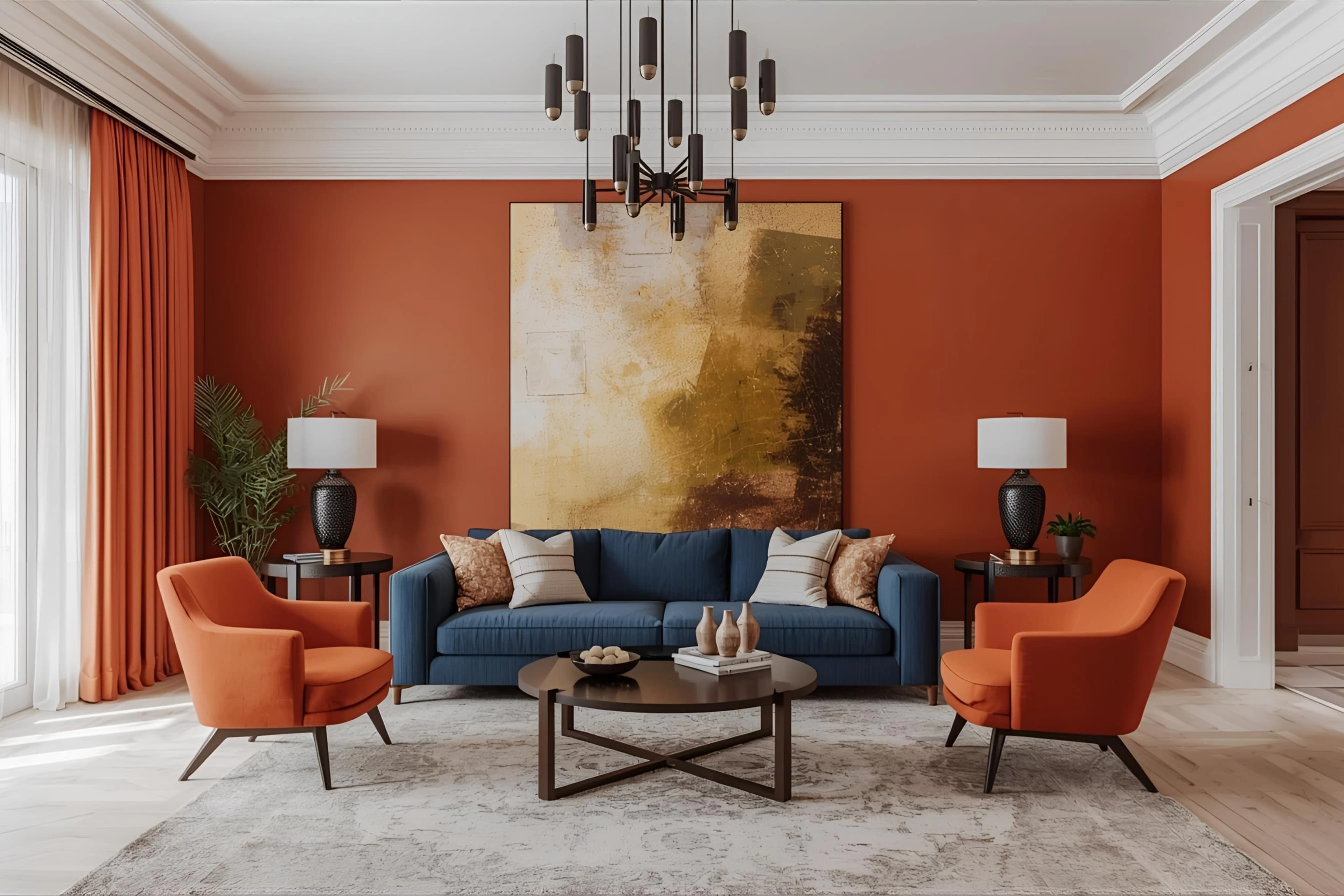
Color is one of the most powerful tools in interior design, capable of transforming not just the appearance of a space, but the emotional experience of those who inhabit it. In luxury interior design, understanding color psychology becomes essential for creating environments that not only dazzle the eye but nurture the soul.
The Emotional Language of Color
Each color carries its own psychological weight. Deep blues evoke trust and stability, making them perfect for bedrooms and study areas. Rich greens connect us to nature and promote balance, ideal for living spaces where families gather. Warm golds and ambers create feelings of luxury and warmth, perfect for dining areas and entertainment spaces.
Creating Mood Through Color Combinations
Luxury interiors often employ sophisticated color palettes that layer multiple hues to create depth and complexity. A neutral base of creams and grays provides sophistication, while carefully placed accent colors in jewel tones add drama and personality. The key is balance – enough color to create interest without overwhelming the senses.
Cultural and Personal Color Associations
Color psychology isn't universal; it's influenced by cultural background, personal experiences, and individual preferences. A luxury interior designer must consider not just the psychological effects of color, but also the client's personal associations and cultural context to create truly personalized spaces.
When color is used thoughtfully, it becomes more than decoration – it becomes a tool for creating emotional sanctuary, enhancing wellbeing, and expressing personal style in the most luxurious way possible.